
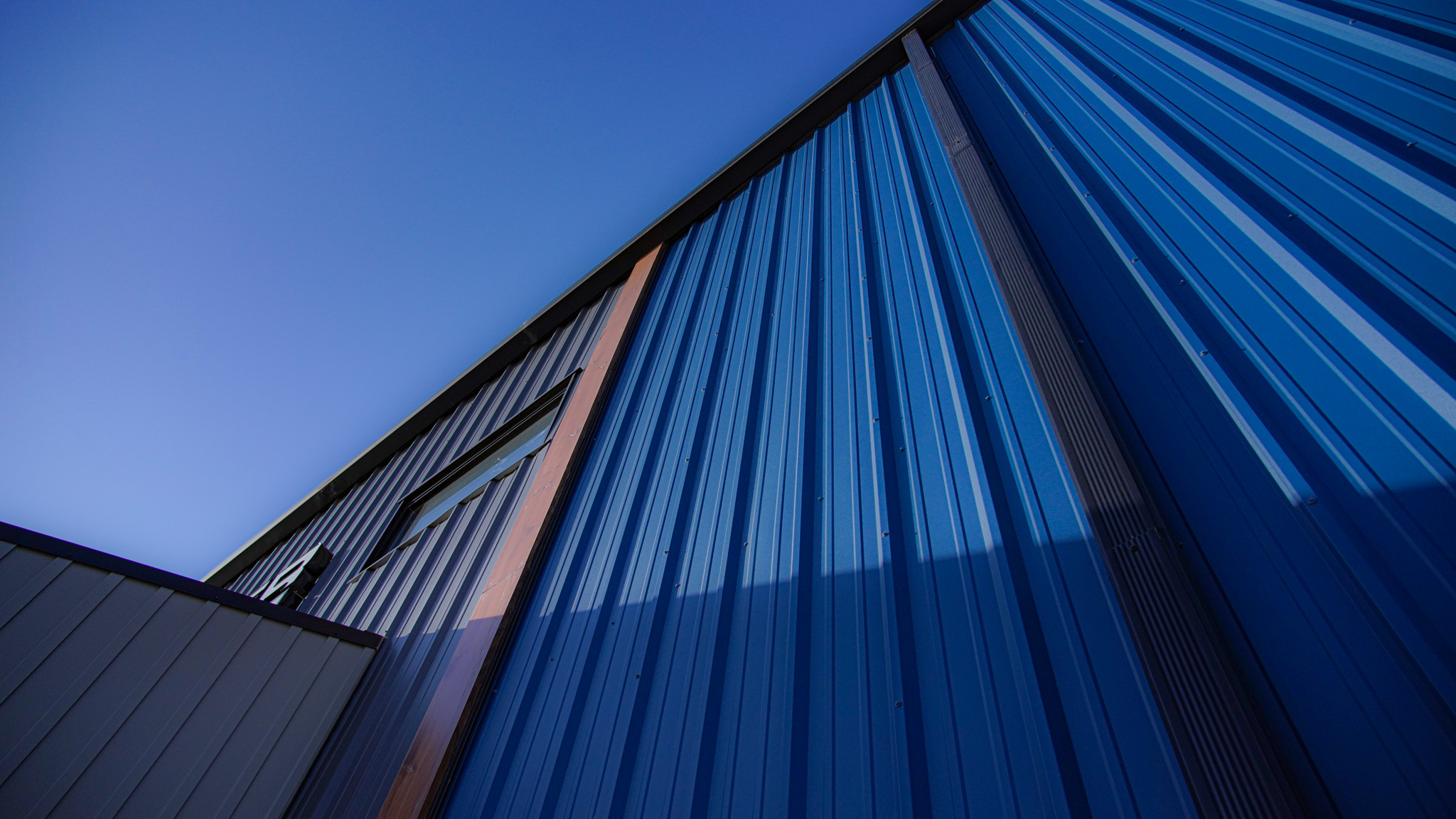
Steel has shaped the modern skyline more than any other building material. From early skyscrapers to today’s expressive structures, steel has enabled architects and builders to push boundaries, higher, lighter, stronger, and more precise. Its unique combination of strength, flexibility, and efficiency continues to influence how buildings look.
Steel and the Rise of Iconic Architecture
The widespread use of structural steel in the late 19th and early 20th centuries changed architecture forever. Steel frames made it possible to move beyond load-bearing brick walls, unlocking vertical construction and expansive interior spaces.
Iconic structures like the Empire State Building and the Chrysler Building demonstrated how steel could support unprecedented height while allowing designers to express bold architectural identities. These projects didn’t just redefine our skylines, they set new expectations for what buildings could exchange.
Today, steel remains the backbone of many of the world’s most recognizable structures, from stadiums and airports to cultural landmarks.
Design Freedom Through Strength and Flexibility
One of steel’s greatest architectural advantages is its strength-to-weight ratio. Steel can span long distances with fewer columns, creating open floor plans, dramatic beams, and expensive glass facades.
This flexibility empowers architects to design: large, uninterrupted interior spaces, complex geometries and curved forms, thin rooflines and lighter structural profiles. Whether used visibly as an architectural feature or concealed within the structure, steel supports both aesthetic ambition and structural reliability.
Innovation is Building Performance
Beyond appearance, steel plays a critical role in how buildings perform. Advances in engineering and fabrication have led to steel systems that improve safety, durability, and efficiency.
Modern steel design supports wind and seismic resistance which is essential to tall and complex structures, fire-rated assemblies, and precision fabrication which ensures consistent quality and faster installation.
Steel as a Platform for Sustainable Design
Sustainability has become a defining requirement in architecture, and steel plays a key role in meeting those goals. Steel is one of the most recycled materials in the world, and its durability supports long service life and adaptability.
Steel structures can be reconfigured or expanded without complete demolition, integrated with high-performance insulation and energy-efficient systems, and designed for reduced material use through optimized engineering. This adaptability makes steel a smart choice for buildings designed to evolve over time.
Expressing Architecture Through Steel
In many modern projects, steel is no longer hidden, it’s celebrated. Exposed steel framing, panel systems, and architectural metal elements add texture, rhythm, and visual strength to interiors.
From industrial-inspired commercial spaces to contemporary residential designs, steel helps communicate durability, precision, and modern craftsmanship. Its clean lines and consistent profiles make it a natural fit for both bold statements and refined details.
Looking Ahead
As architectural design continues to evolve, steel remains a trusted foundation for innovation. Its strength and adaptability support creative design without compromising durability or performance.
From major landmarks to every day projects, steel enables architecture that is both functional and built to last.