
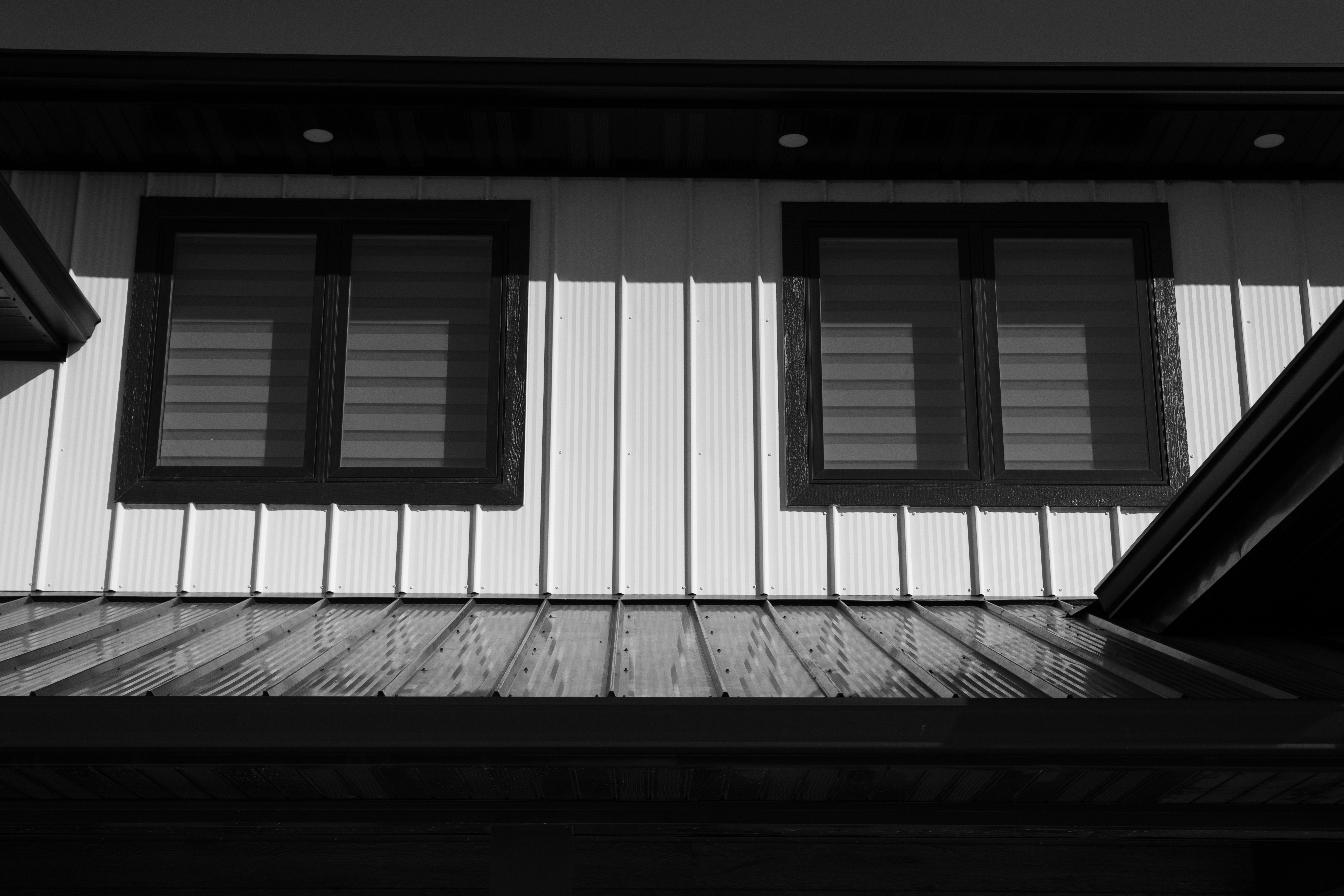
As the temperatures begin to cool and the leaves start to change, autumn is the perfect time to prepare your home for the months ahead. While the season brings beautiful scenery and cooler weather, it also serves as a reminder that winter is right around the corner.
Your home’s exterior works hard throughout the year. From summer heat and heavy rain to strong winds, snow, and freezing temperatures, your roof and siding are constantly exposed to the elements. Taking the time to inspect and maintain these areas before winter arrives can help you identify potential problems early and ensure your home is ready for whatever the season brings.
Whether you have steel roofing and siding or another exterior material, a little preventative maintenance can go a long way. Use this autumn home maintenance checklist to help prepare your roof and siding for colder temperatures, snow, ice, and unpredictable Midwest weather.
1. Start With a Visual Roof Inspection
Your roof is one of the most important parts of your home’s exterior, making it a great place to start your autumn maintenance routine. Before winter weather arrives, take a careful look at your roof from the ground or have a professional perform a more detailed inspection if needed.
Look for visible signs of wear or damage, including:
- Loose, damaged, or missing roofing materials
- Bent or damaged panels
- Loose trim or flashing
- Signs of rust or corrosion
- Debris collecting in roof valleys
- Areas where water may not be draining properly
- Damage around chimneys, vents, skylights, or other roof penetrations
Even small issues can become more difficult to address once snow and ice arrive. Autumn provides an opportunity to catch potential problems before winter weather makes repairs more challenging.
If something doesn’t look quite right, it may be worth having it inspected sooner rather than waiting until you notice a leak or other problem during the winter months.
2. Clear Leaves, Branches, and Other Debris
Falling leaves are one of the most recognizable parts of autumn, but they can quickly build up on your roof, in your gutters, and around your home’s exterior.
Leaves, small branches, and other debris can collect in areas where water naturally drains. When debris builds up, it can prevent water from flowing properly and allow moisture to remain in contact with your exterior materials longer than necessary.
Pay close attention to:
- Roof valleys
- Areas behind chimneys or other roof features
- Gutters and downspouts
- Areas where the roof meets a wall
- Around siding and exterior vents
Regularly removing debris throughout autumn can help keep these areas clear as more leaves continue to fall.
It’s also a good idea to trim back any tree branches that hang directly over your roof when appropriate. This can help reduce the amount of leaves and debris that collect on your home while also limiting the risk of branches causing damage during strong winds or winter storms.
3. Check Your Gutters and Drainage
Your gutters play an important role in moving water away from your roof and foundation. During autumn, falling leaves can quickly clog gutters and downspouts, creating drainage issues just as rain, snow, and ice become more frequent.
Take the time to remove leaves and debris and check that water can move freely through your gutter system.
While inspecting your gutters, look for:
- Loose or damaged sections
- Sagging gutters
- Clogs in downspouts
- Areas where water is overflowing
- Signs that water is collecting near your home’s foundation
Make sure your downspouts are directing water away from your home. Proper drainage can help reduce the risk of water pooling around the foundation and other areas of your exterior.
Completing this task before freezing temperatures arrive can make maintenance much easier and help prevent problems caused by standing or backed-up water.
4. Walk Around Your Home and Inspect the Siding
Your roof isn’t the only part of your home that deserves attention before winter. Take a walk around the entire exterior and inspect your siding for anything that may need to be repaired or addressed.
Look for:
- Loose or damaged panels
- Cracks, gaps, or holes
- Damaged trim
- Signs of moisture
- Areas around windows and doors that may need attention
- Damage near the ground or in high-traffic areas
Pay particular attention to corners, transitions, windows, doors, vents, and other areas where different exterior materials meet. These areas can be especially important to inspect because they are often more exposed to moisture and changing weather conditions.
If you notice any damage, addressing it before winter can help prevent the issue from becoming worse when your home is exposed to snow, ice, wind, and freezing temperatures.
5. Check Panels, Trim, and Fasteners
Changing temperatures and strong winds can put stress on exterior materials over time. During your autumn inspection, take a closer look at visible panels, trim, and fasteners to make sure everything appears secure and in good condition.
For metal roofing and siding, look for panels or trim that appear loose, bent, or damaged. While steel is known for its durability and low-maintenance performance, regular inspections are still an important part of caring for any exterior.
Small maintenance concerns can sometimes be easier to address before winter weather arrives. Taking care of a loose piece of trim or damaged section now can help you avoid discovering the problem in the middle of a snowstorm.
6. Look for Signs of Moisture or Water Damage
Moisture can cause problems throughout the year, but existing issues may become more noticeable during winter when snow and ice accumulate around your home.
As you inspect your roof and siding, look for signs that water may be getting where it shouldn’t. Depending on your exterior materials, this could include:
- Water stains
- Discoloration
- Mold or mildew
- Rust or corrosion
- Warped or damaged materials
- Peeling paint or finishes
- Areas where water regularly collects
You should also inspect areas around roof penetrations, windows, doors, and exterior transitions. Making sure these areas are properly maintained before winter can help protect your home from moisture-related issues.
If you have noticed leaks, drafts, or water stains inside your home, autumn is an especially important time to investigate the cause before winter weather arrives.
7. Don’t Forget About Areas Around Windows and Doors
Windows and doors are another important part of preparing your home for colder weather. Inspect the exterior trim and surrounding areas for visible gaps, damage, or worn sealant.
Properly maintained windows and doors can help protect your home from moisture and unwanted drafts while improving overall comfort during colder months.
Check for areas where caulking or weatherstripping may need attention, and make sure exterior trim appears secure and in good condition.
Taking care of these smaller details can be an important part of preparing your entire exterior for winter.
8. Prepare for Snow, Ice, and Strong Winds
Winter weather in the Midwest can be unpredictable. One week may bring mild temperatures, while the next brings heavy snow, freezing rain, or strong winds.
Preparing your roof and siding before winter means thinking about how your home will handle changing conditions throughout the season.
Make sure loose materials have been addressed, drainage areas are clear, and visible damage has been inspected. Keeping your exterior in good condition before severe weather arrives can give you more confidence heading into the winter months.
Durable exterior materials, including steel roofing and siding, are designed to provide long-lasting performance in changing weather conditions. However, proper installation and routine maintenance are still important for helping your home’s exterior perform as intended over time.
9. Take Care of Repairs Before Winter Arrives
One of the biggest advantages of completing exterior maintenance during autumn is having the opportunity to address potential problems before winter weather makes them more difficult to manage.
Once temperatures drop and snow and ice begin to accumulate, certain repairs may become more challenging. Waiting until a small issue turns into a larger problem can also lead to additional repairs down the road.
If your autumn inspection reveals damaged roofing, loose siding, drainage issues, or other concerns, consider addressing them before winter arrives.
For larger projects, such as replacing a roof or upgrading your siding, autumn can also be a good time to start planning. Even if your project isn’t completed before winter, getting ahead on planning, material selection, and budgeting can help you prepare for the months ahead.
Give Your Home a Strong Start to Winter
Autumn is a season of preparation. As you begin thinking about colder temperatures, holiday plans, and the months ahead, don’t forget to give your home’s exterior some attention as well.
By inspecting your roof and siding, clearing away debris, checking gutters and drainage, looking for signs of moisture, and addressing repairs early, you can help prepare your home for the challenges of winter.
A little preventative maintenance now can help you identify small concerns before they have the opportunity to become larger issues. It can also give you peace of mind knowing that your home’s exterior has been checked and prepared for the changing season.
At Dakota Steel & Trim, we understand the demands Midwest weather can place on homes and buildings. From heavy snow and strong winds to dramatic temperature changes, your exterior materials need to be built to handle the conditions around them.
Durable, low-maintenance steel roofing and siding can provide long-lasting protection while giving homes and buildings a clean, modern appearance.
Before winter arrives, take some time to inspect your home’s exterior. A few simple maintenance steps this autumn can help you head into the colder months feeling more prepared and confident in the protection your home provides.